
CURATED CRIME MOVIES MAIN PAGE
LILY: Darling, remember—you are Gaston Monescu! You are a crook. I want you as a crook. I love you as crook. I worship you as a crook! Steal, swindle, rob! Oh, but don't become one of those useless, good-for-nothing gigolos!
At Large
Trouble in Paradise is one of those 1930s comedies that transported its Depression-era audience into a world of elegance and wealth. Indeed, one source says it “fizzes like the finest champagne.” Think Fred Astaire and Ginger Rogers with a lot less dancing—and a lot more crime.
Directed by Ernst Lubitsch, the film stars Frederick March as gentleman-thief Gaston Monescu and Miriam Hopkins as wily pickpocket Lily Vautier. Early on, we see that Monescu and Vautier each has a scheme to con the other. Being wise to criminal ways, though, they foil their respective ruses and, as you do, immediately fall in love. From there, the plot focuses on their joint effort to steal from perfume heiress Mariette Colet, played by Kay Francis. The heist grows complicated when one of Monescu’s earlier marks begins to recognize him. Even worse, Mosescu himself succumbs to the more than monetary charms of Colet.
March, Hopkins, and Francis, who form the love triangle, might not be as well remembered as, say, Cary Grant, Carole Lombard, and Katharine Hepburn. But they should be. Especially Hopkins, who has stood out in every movie in which I’ve seen her.
Adding some spice is the fact that this movie is pre-Code, meaning there’s an adult naughtiness that was stomped out of Hollywood movies in 1934, when the Hays Code ensured that sexuality be smothered and criminal characters such as Gaston Monescu be duly punished for their crimes.
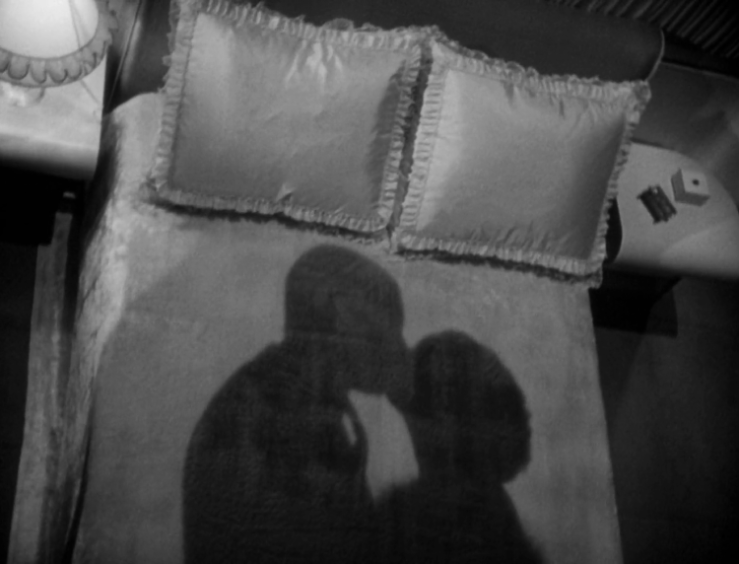
Arresting Features
The funny here is in a style more comedy-of-manners than screwball, more Noël Coward than Marx Brothers. But funny it certainly is. The snappy yet sophisticated dialog, the crisp and clever patter, might be the greatest source of amusement. Apparently, the film was adapted from a Hungarian stage play, but I suspect the screenwriters (including director Lubitsch) only followed the barest outline of that original work.
GASTON [incognito]: Oh, yes, and this letter from Major—
MARIETTE: You didn't read it!
GASTON: Naturally I did. You needn't be embarrassed, madame. A lady as charming as you would and should get love letters.
MARIETTE [bashfully]: Monsieur LaValle!
GASTON: But one suggestion: not the Major. I don't mind his grammatical mistakes. I will overlook his bad punctuation. But the letter has no mystery. No bouquet.
Now, someone needs to deliver those snappy, sophisticated lines with snap and sophistication. It helps to cast the likes of Edward Everett Horton. He plays a man who competes for the romantic attention of the heiress while struggling to remember where he’s seen the thief. Like Hopkins, Horton is someone I wish were better remembered for his talents. Robert Greig, who made something of a career out of playing silently suffering butlers, also sparks some pretty good chuckles.
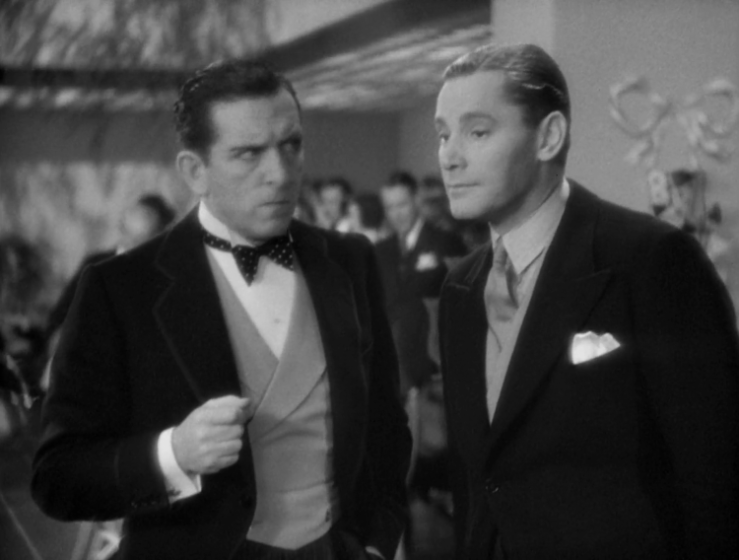
FILIBA: You know, if I like a man, I remember him. And if I don't like him, I never forget him.
The filmmaking itself is worth keeping an eye on, too. Have you seen the film version of Dracula with Bela Lugosi? Bram Stoker’s 1897 novel was adapted for the stage in 1927, and this stage play is the direct source of the 1931 film. And, yipes, it really shows there! Along with an eerie absence of music (well, maybe that’s a good thing), the cinematography is stagey and uninspired. It’s as if the decades of lessons taught by silent movies in how to do fascinating things with light, shadow, and camera angles, were immediately forgotten once the challenges of microphones were introduced.
In sharp contrast, Trouble in Paradise shows Lubitsch knew how to use sound film’s unique attributes to their best advantage. Regarding the director’s work as a whole, the Harvard Film Archive says Lubitsch “effectively raised the bar for screen comedy, laid confident steps into the tenuous terrain of the ‘talkie,’ and forged the movie musical from a toolshed of cumbersome equipment and unproven actor-singers.” His grasp of the evolving medium is wonderfully seen and heard in Trouble in Paradise.
In Cahoots
Probably more than any other of the Curated Crime Movies I’ve discussed so far, Trouble in Paradise steals from—er, uhm, continues the tradition of—the type of prose fiction spotlighted in the Curated Crime Collection. Monescu stands beside other smart, debonair thieves such as Courtice Jaffrey in Elizabeth Phipps Train’s A Social Highwayman and the title character in Clifford Ashdown’s The Complete Crimes of Romney Pringle. And characters who specifically prey on the wealthy are too many to name.
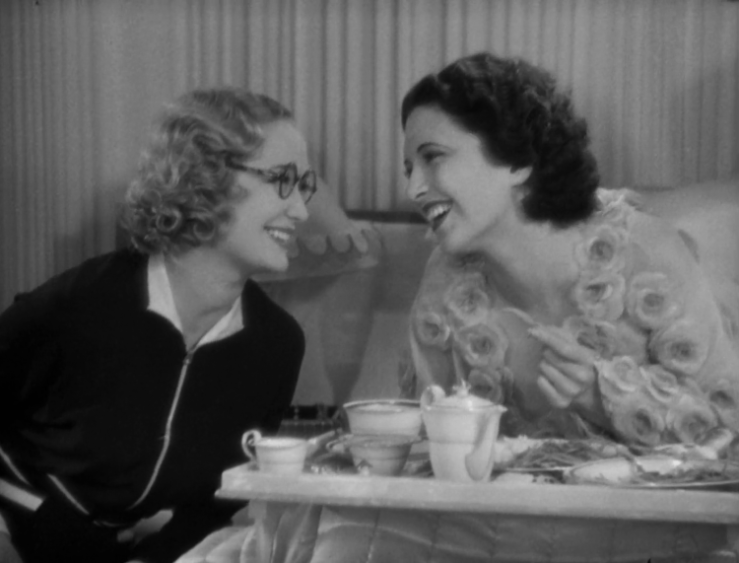
In terms of tone, Henry A. Hering’s The Complete Crimes of the Burglars’ Club has a lightness and a silliness that suggests Monescu would have fit comfortably into that risk-taking organization (assuming, of course, he could refrain from developing feelings for any more of his women targets). Meanwhile, Lily Vautier reminded me a bit of Nance Olden in Miriam Michelson’s In the Bishop’s Carriage. Olden gets tangled in a love triangle of her own, and Michelson, who was a theatre critic, adds a dash of farcical comedy to the work. I very much want to see the movie or read the novel in which Vautier and Olden meet and then pull off a heist together.
CURATED CRIME MOVIES MAIN PAGE


